
Persistent fatigue can affect your work, sleep, concentration, and enjoyment of everyday life. Understanding the stress response and the role of your adrenal glands can help you ask informed questions about your health.
What Are the Functions of the Adrenal Glands?
Your adrenal glands sit above your kidneys.
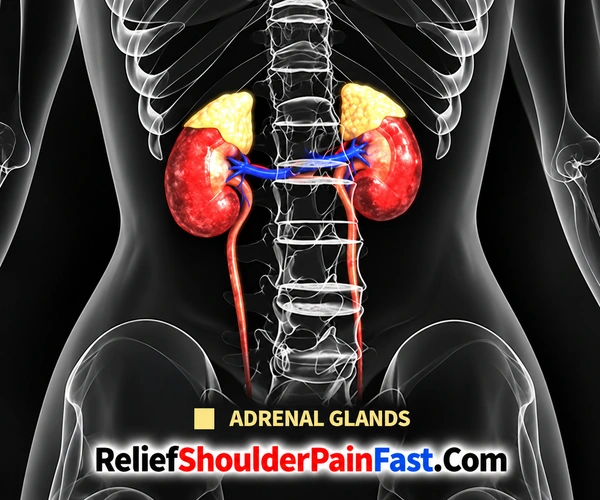
They produce hormones involved in your stress response, metabolism, blood pressure, and salt and water balance. Each gland has an outer cortex and an inner medulla, which produce different hormones.
- Epinephrine (adrenaline): supports the rapid fight-or-flight response.
- Norepinephrine: helps regulate alertness and the cardiovascular response to stress.
- Cortisol: participates in metabolism, immune regulation, and the stress response.
- Aldosterone: helps regulate sodium, potassium, and blood pressure.
- Adrenal androgens, including DHEA: can be converted into other sex hormones in body tissues.
Adrenaline and norepinephrine are catecholamines; cortisol, aldosterone, and adrenal androgens are steroid hormones.
What Does “Adrenal Fatigue” Mean?
In some complementary health approaches, “adrenal fatigue” describes a pattern of exhaustion associated with prolonged stress. The proposed explanation is that ongoing demands overwork the adrenal glands. This is the theory behind the term, rather than an established explanation for persistent fatigue.
People using this term may describe symptoms such as:
- Fatigue and weakness
- Low mood
- Difficulty sleeping
- Headaches
- Digestive discomfort
- Salt cravings
- Difficulty concentrating
- Feeling overwhelmed by everyday demands

Stress and the Fight-or-Flight Response
When your brain perceives a threat, it coordinates changes that prepare your body to respond. Adrenaline and norepinephrine contribute to rapid changes in heart rate and alertness. Cortisol forms part of a slower hormonal response.
This response is useful during a short-term challenge. When stressful demands continue, they can affect sleep, mood, eating habits, muscle tension, and recovery. People respond differently; ongoing stress does not mean that everyone has persistently high cortisol.
What Can Contribute to Fatigue and Stress?
Daily habits, life events, and health conditions can overlap. Some factors worth discussing during an assessment include:
- Insufficient or disrupted sleep
- Inadequate nutrition
- Emotional strain or trauma
- Work demands and limited recovery time
- Physical activity beyond your current capacity
- Chronic pain
- Depression or anxiety
- Infections or other ongoing illness
- Digestive problems affecting nutrition
- Medication effects
For people with ME/CFS, even modest activity can trigger post-exertional malaise. Activity needs to stay within individual energy limits rather than follow a “push through it” approach.
Cortisol: More Than a Stress Hormone
Cortisol helps regulate energy availability and immune activity. It normally follows a daily rhythm and changes in response to the body’s needs. Persistently excessive cortisol, as occurs in certain medical disorders or with some steroid medicines, can affect blood sugar, bone health, blood pressure, sleep, and immune function.
Fatigue alone cannot tell you whether cortisol is high, low, or normal. The relationship between ongoing stress and hormone regulation is more complex than the idea that cortisol “burns out” cells.
What About Vitamins and Nutrition?
Adequate nutrition supports normal body function. B vitamins, vitamin C, and vitamin D have varied roles in health, but persistent stress or fatigue does not automatically establish a deficiency. A review of diet, symptoms, and appropriate testing can help determine whether a supplement is needed.
The Importance of the HPA Axis
Hypothalamic–pituitary–adrenal axis
The HPA axis is a communication system connecting the brain and adrenal glands. It helps regulate cortisol through hormonal signals and feedback.
- The hypothalamus releases corticotropin-releasing hormone (CRH).
- CRH signals the pituitary gland to release adrenocorticotropic hormone (ACTH).
- ACTH stimulates the adrenal cortex to produce and release cortisol.
- Cortisol feeds back to the hypothalamus and pituitary, helping regulate further hormone release.
Energy Kinesiology: My Approach to Wellness
In my Energy Kinesiology practice, I use gentle muscle testing as part of a complementary wellness session. Within this tradition, practitioners associate particular muscles with organs, glands, and meridians, and interpret changes in muscle resistance in terms of energetic balance.
My approach considers structural, nutritional, emotional, and what the tradition calls electrical or energetic factors. A session may include neurolymphatic reflex-point massage, gentle holding of neurovascular points, or tracing meridians. I also discuss general wellness habits and, when appropriate, encourage a nutritional review with a qualified healthcare professional.
What Are Neurolymphatic Reflex Points?
Within Energy Kinesiology, neurolymphatic (NL) reflex points are described mainly on the torso, including areas near the sternum and along the spine. Practitioners stimulate these points with fingertip massage.
The tradition describes their purpose in terms of supporting energy flow, releasing stagnation, and balancing meridians associated with organs or glands. These are the framework and aims of the practice, rather than measured effects on lymphatic drainage, toxin removal, or adrenal hormone production.
What Are Neurovascular Holding Points?
Neurovascular (NV) holding points are locations, often on the head, that practitioners hold with gentle pressure. In Energy Kinesiology teaching, these points are associated with stress release and energetic balance.
The “switch” or “circuit breaker” description sometimes used in this tradition is a metaphor. During my sessions, gentle touch and a quiet setting provide an opportunity to pause and relax; individual experiences vary.
Making Space for Rest and Recovery
Persistent fatigue can be frustrating. Paying attention to sleep, nourishment, stress, and your own activity limits can support a thoughtful conversation about your health. My goal is to offer a calm, supportive complementary session that respects your comfort and your existing care plan.
Sources and Further Reading
The descriptions of neurolymphatic and neurovascular techniques reflect the Energy Kinesiology tradition. Original practitioner reference supplied by the author: Kinesiology Institute.
Back to the BlogThanks for reading!
Michel Bourgeois
Licensed Massage Therapist
Certified in Energy Kinesiology and Biochemical Kinesiology