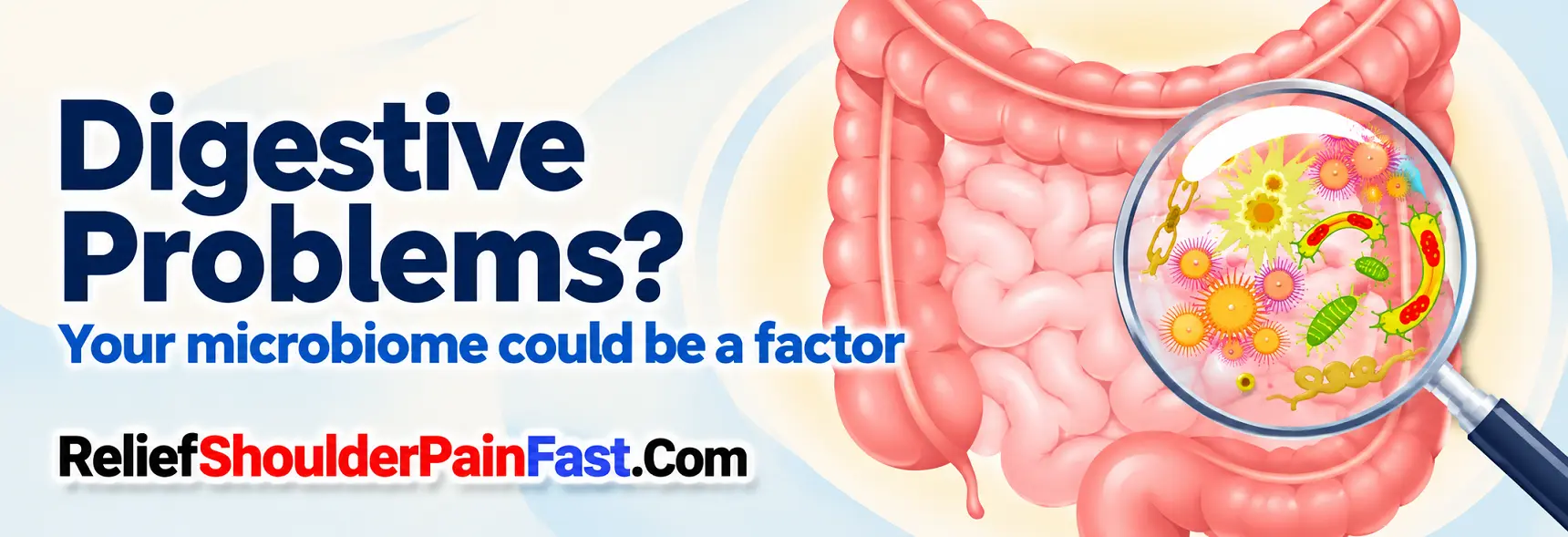
Digestive discomfort can affect your daily life. Your gut microbiome is one part of a complex system involving food, digestion, immune function, and communication between your gut and brain.
What Is the Human Microbiome?
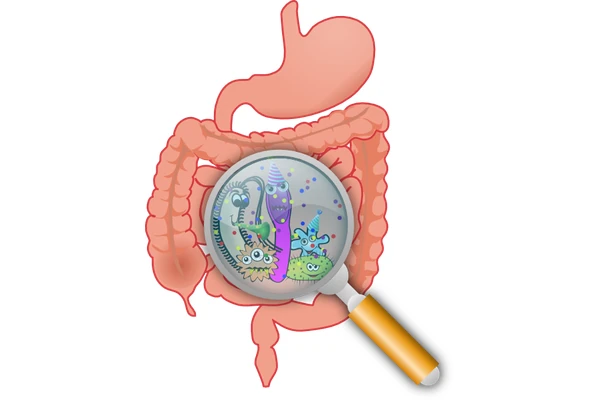
The human body is home to communities of microorganisms, including bacteria, fungi, and viruses. These communities are called the microbiota; the term microbiome includes their genetic material and their surrounding environment. Many of these microorganisms live in the intestines, particularly the large intestine.
Although some microbes cause disease, many help the body function. Gut microbes participate in breaking down food and interact with the immune system. Researchers are also studying their relationships with metabolism, the gut–brain connection, inflammation, and disease.
- They help process some components of food.
- They interact with immune function and the intestinal barrier.
- They are being studied in relation to weight and metabolic health.
- Researchers are investigating connections with mental health, certain cancers, and autoimmune conditions. An association does not establish that the microbiome causes a particular illness.
The Gut–Brain Connection
Your gut and brain communicate through nerves, including the vagus nerve, as well as hormones and immune signals. This communication works in both directions, which helps explain why stress and digestive symptoms can influence each other.
If this topic interests you, The Gut: Our Second Brain is a 55-minute documentary exploring the connection between the gut and the brain.
As an Amazon Associate, I earn from qualifying purchases.
View the 55-Minute Documentary on Amazon
Paying attention to your eating habits before symptoms become persistent can be helpful. However, digestive problems have many possible causes and should not automatically be attributed to diet or the microbiome.
Terms You May Hear About Digestive Health
- Dysbiosis: a change or imbalance in a microbial community.
- IBS: irritable bowel syndrome, involving repeated abdominal pain and changes in bowel movements.
- Candida: a yeast that can be present normally in the body; its presence does not necessarily mean an infection.
- GERD: gastroesophageal reflux disease, involving stomach contents flowing back into the esophagus.
- SIBO: small intestinal bacterial overgrowth, which requires appropriate clinical assessment.
- “Leaky gut”: a popular term referring to increased intestinal permeability. Symptoms alone do not establish this as a diagnosis.
What Is Dysbiosis?
Dysbiosis describes changes in the composition or function of a microbial community. It is more complex than simply having “too many bad bacteria.” IBS and dysbiosis are different concepts; an IBS diagnosis does not automatically mean that you have an infection or microbial imbalance.
It can be tempting to buy probiotics as soon as digestive symptoms appear. However, effects depend on the organism, strain, condition, and individual. A product that helps one person may not help another. Muscle testing cannot reliably determine which probiotic you need. Discuss supplements with a qualified healthcare professional, especially if you have a serious illness or a weakened immune system.
600 × 400 px
Common Digestive Symptoms
The following symptoms can occur for many reasons. They do not, by themselves, diagnose dysbiosis, Candida, or SIBO:
- Gas and bloating
- Constipation
- Heartburn or acid reflux
- Burping
- Feeling unusually full after a meal
- Diarrhea
- Changes in stool consistency
- Abdominal cramps
- Fatigue after eating
- Poor appetite
- A stomach that feels easily upset
Anxiety or changes in mood can accompany digestive discomfort, but they are not specific signs of a microbiome problem. If you recognize some of these symptoms, you are not alone. Persistent or recurring symptoms deserve medical evaluation.
Eating Habits and Digestive discomfort
Food choices can influence digestive discomfort, but carbohydrates are not all alike. Vegetables, fruit, legumes, and whole grains can provide useful nutrients and fiber. The best approach depends on your symptoms and medical needs.
A food and symptom diary may help you discuss patterns with your doctor or registered dietitian. Avoid assuming that all carbohydrates cause digestive problems or muscle tension, and seek advice before making restrictive dietary changes.
How Can Energy Kinesiology Fit Into Your Wellness Routine?
In my Energy Kinesiology practice, I use gentle muscle testing as part of a complementary wellness session. Practitioners in this tradition describe their work in terms of balance and the body’s energy. These concepts reflect the approach used in my practice; they are not established medical measurements.
One technique is sometimes called "organ under stress.”It involves applying light pressure to an arm while touching different areas of the body. In my Energy Kinesiology practice, I interpret a change in resistance as a possible imbalance in the organ’s energy. This interpretation is not an established medical measurement and does not demonstrate that the organ is diseased or under physiological stress.
What Does a Session Look Like?
You remain fully clothed and lie comfortably on a massage table. I may position your arms and legs and apply light pressure during muscle testing. This is not a competition of strength, and you do not need to be strong or fit to take part.
The session may include different gentle techniques used within the Energy Kinesiology approach and a discussion of general wellness habits. A session takes approximately one and a half hours. You can ask questions or request that a technique stop at any time.
What Are the Vials Used in a Session?

600 × 400 px
In my practice, small clear vials are described within the Energy Kinesiology tradition as representing particular frequencies. Larger containers may hold supplement samples. Practitioners may observe muscle resistance while a person holds or is near a vial.
For example, a practitioner may repeat an arm test while placing a vial labeled “Candida” near the person. If the arm feels weaker, that response does not establish that the person has Candida. Similarly, a stronger response near a supplement does not prove that the supplement is effective, safe, or appropriate.
Claims that foods or supplements can be selected through their “vibrational frequency” have not been established as reliable medical testing. Suspected infections, allergies, and food-related disorders should be evaluated with appropriate clinical methods. People with similar symptoms may need different care because the underlying causes can differ.
Explore Supreme Nutrition Products
As an Amazon Associate, I earn from qualifying purchases.
When to Seek Medical Advice
Consult a qualified healthcare professional for persistent symptoms, unexplained weight loss, difficulty swallowing, or a lasting change in bowel habits. Seek urgent medical care for severe abdominal pain, vomiting blood, black or bloody stools, fainting, or signs of significant dehydration.
Do not delay prescribed treatment or start an antifungal, antibiotic, or restrictive diet based on muscle testing.
Sources and Further Reading
- NIDDK: Gut microbiome research
- NIDDK: Irritable bowel syndrome
- NCCIH: Probiotics—usefulness and safety
- ASCIA: Evidence-based and unproven allergy tests
- NIDDK: Symptoms of gastrointestinal bleeding
I hope you find this information helpful!
Thank you for reading,
Michel Bourgeois
Licensed Massage Therapist and Energy Kinesiology Practitioner
This article is provided for educational purposes only and does not constitute medical advice, a diagnosis, or treatment.