This self-massage protocol has four steps:
Many activities incorporate one or two of these ideas. Yoga, for example, often emphasizes stretching and flexibility, while tai chi emphasizes fluid, controlled movement. These activities can be beneficial, but combining all four steps can provide a more complete approach to self-massage.
1Warm the Muscle
Effective trigger-point self-massage is easier when your body is relaxed. Gentle warmth can help the muscles relax and may make compression and stretching more comfortable. You can warm the area with a hot shower or bath, or apply a warm compress for 5 to 10 minutes before treatment.
Heat is often more comfortable than ice for general muscular tightness and trigger-point work. Ice may be useful for some recent injuries or inflammation, but it is not routinely required for trigger-point self-massage. Protect your skin from extreme temperatures and seek professional advice when you are unsure whether heat or cold is appropriate.
2Apply Compression
Compression means applying pressure to soft tissues such as muscles and fascia. You may use your fingers, thumbs, palm, or elbow, or ask a trusted person to help. Self-massage tools are especially useful because they reduce strain on your hands and make areas such as the back of the shoulder easier to reach.
How Much Pressure Should You Use?
The answer is: just enough. Pressure should remain within your tolerance and should never feel sharp, alarming, or unbearable. Use this 0-to-10 scale to guide you.
In my treatments, I ask clients to tell me when the pressure reaches approximately 7 out of 10. This should feel moderately intense but still acceptable. Some people describe the sensation as “a good hurt”—an intensity that feels productive and settles after the pressure is released. You do not need to reach 7, however; use less pressure whenever that feels more appropriate.
Breathe normally while applying pressure. Exhaling slowly as you compress the area may help you remain relaxed. If you hold your breath, tense the rest of your body, or instinctively pull away, reduce the pressure.
Increase pressure gradually. If you feel no tenderness or tension at one spot, release it and explore the nearby tissue. A sensitive or firm area may be a trigger point, but tenderness alone cannot diagnose its cause. With repeated gentle sessions, the area may become less sensitive and tolerate slightly more pressure.
3Add Movement
Many people do not move through their full range of motion during an ordinary day. Work and daily routines often repeat the same limited movements. Over time, a lack of varied movement may contribute to stiffness and reduced flexibility.
After applying gentle compression, slowly move the nearby joint through a comfortable range when appropriate. Movement should remain smooth and controlled. Stop if it produces sharp pain, numbness, tingling, weakness, dizziness, or worsening symptoms.
4Stretch the Muscle
Stretching gradually lengthens a muscle by moving its attachment points farther apart. Ease into each stretch slowly until you feel mild, comfortable tension—never a forceful pull. Slightly changing the direction may help you reach different portions of the muscle.
This article does not provide individual stretching programs because safe technique depends on the muscle, your mobility, and your health history. A very irritable trigger point may limit how far a muscle can comfortably lengthen, so do not force the stretch.
How Often Should You Practice Self-Massage?
In my experience, several short sessions spread throughout the day are usually more useful than one long session. For example, three or four sessions of up to 10 minutes may be easier to tolerate than a single 30-minute treatment. Start with less time and adjust according to how your body responds.
Self-massage works best when it becomes part of your routine. You might set aside a few minutes in the morning, during a work break, or while watching television. If your pain is intense, persistent, or worsening, increasing self-treatment is not always the answer—consult a qualified healthcare professional.
Can You Change the Frequency Over Time?
Yes. Adjust the frequency and intensity according to your needs and response. As symptoms improve, you may be able to reduce the amount of time devoted to treatment. Avoid repeatedly working an area that remains sore or becomes more irritated after treatment.
Useful Self-Massage Tools
Your hands and fingers can be effective, but tools can make treatment easier and help protect your thumbs and fingers from repetitive strain. They are also helpful for areas that are difficult to reach.
1. Tennis Ball
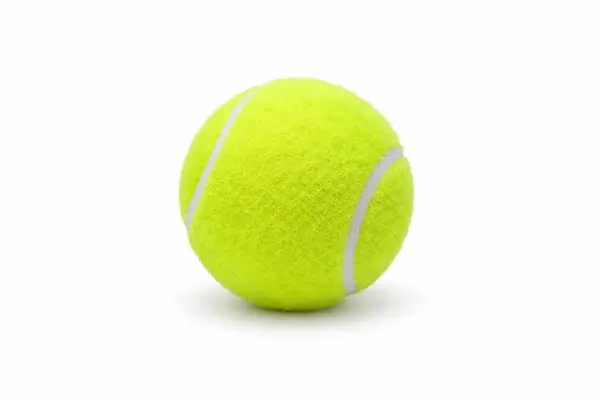
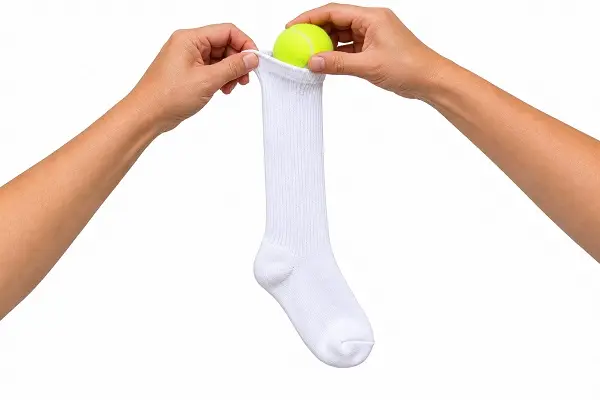
One of the simplest and least expensive tools for the shoulder and back is a tennis ball placed inside a sock and gently pressed between your body and a wall. The sock helps you position the ball behind your back and prevents it from dropping to the floor.
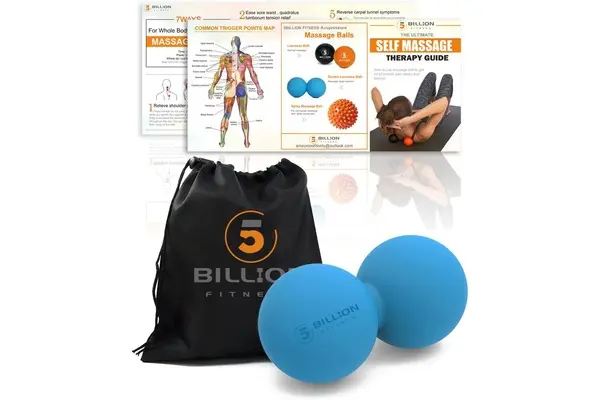
Other Massage Balls
Firmer or differently shaped massage balls are also available. I prefer this type when working alongside the spine or on areas such as the triceps and deltoids.
2. Massage Cane
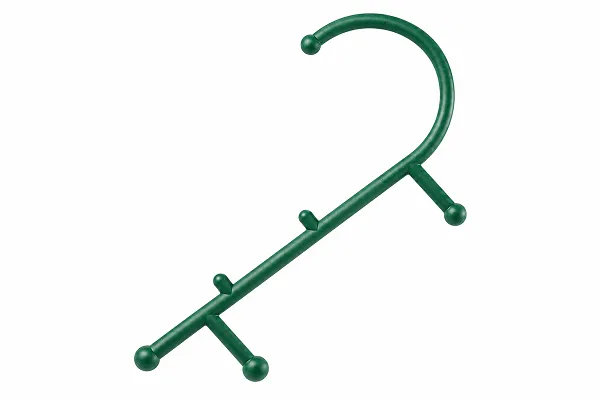
A massage cane is one of the most versatile self-massage tools. It can help you reach the shoulders and many other areas while controlling both the location and intensity of the pressure.
You may initially hesitate to press a sensitive point because you are concerned about increasing the pain. Begin gently and stay in control. Massage and pressure can sometimes create a temporary sense of relief and relaxation, but pain is not proof that a technique is beneficial. Do not exceed a tolerable level, and never try to “push through” sharp, burning, electrical, or spreading pain.
Self-Massage Video
This video will demonstrate the four-step protocol and show how to use a tennis ball and massage cane safely.
Self-Massage Demonstration
Video coming soon
I hope you find this information helpful.
Thank you for reading,
Michel Bourgeois
Licensed Massage Therapist
This article is provided for educational purposes only and does not constitute medical advice, a diagnosis, or treatment.