Have you been diagnosed with GERD, IBS, SIBO, or another digestive condition? Or do you often experience heartburn? Digestive discomfort can affect your meals, social life, and everyday comfort.
Common Symptoms of low Stomach acid (hypochlorhydria)
Many of us experience digestive symptoms at some point in life. These may include:
- Bloading and Gas
- Constipation
- Heartburn or acid reflux
- Burping
- Belching and nausea
- Diarrhea
- Undigested food in the stool
- Frequent bacterial or fungal overgrowth (Candida)
- Fatigue after eating
- Poor appetite
Anxiety or changes in mood can also accompany digestive discomfort. These symptoms have many possible causes; they do not all point to acid reflux. IBS means irritable bowel syndrome, and SIBO means small intestinal bacterial overgrowth. They are different conditions from GERD.
Some of these situations can feel embarrassing when you are out with friends or eating at a restaurant. If you are like me, you may have consulted your family doctor to find out what is happening.
What Happens During Acid Reflux?
With acid reflux, stomach contents travel back into the esophagus—the tube that carries food from your mouth to your stomach. Persistent, troublesome reflux or reflux that causes complications is called gastroesophageal reflux disease (GERD).
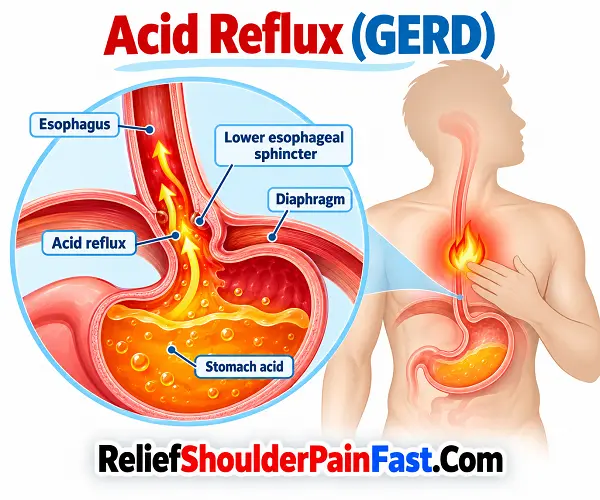
LES stands for lower esophageal sphincter. This ring of muscle at the lower end of the esophagus relaxes to allow swallowed food into the stomach. Together with the diaphragm, it normally helps keep stomach contents from flowing back up.
GERD can develop when this barrier is weak or the sphincter relaxes when it should not. Repeated reflux can irritate or damage the esophageal lining. Reflux does not necessarily mean your stomach produces too much acid, but acid can cause injury when it reaches the esophagus.
Why Your Doctor May Recommend Acid-Reducing Medication
Antacids neutralize acid already present in the stomach. H2 blockers and proton pump inhibitors (PPIs) reduce acid production. These medicines do not all work in the same way, and your doctor may select a treatment based on your symptoms and medical history.
Reducing acidity can ease symptoms and allow an irritated esophagus to heal. It does not mean that stomach acid has no useful role. Talk with your healthcare professional if treatment is not helping, and do not stop prescribed medication or add acid supplements on your own.
Why Stomach Acid Matters
Stomach acid supports normal digestion. However, the amount of acid in the stomach and the effectiveness of the reflux barrier are different issues. The LES is not a simple switch that closes only when stomach acid reaches a particular pH.
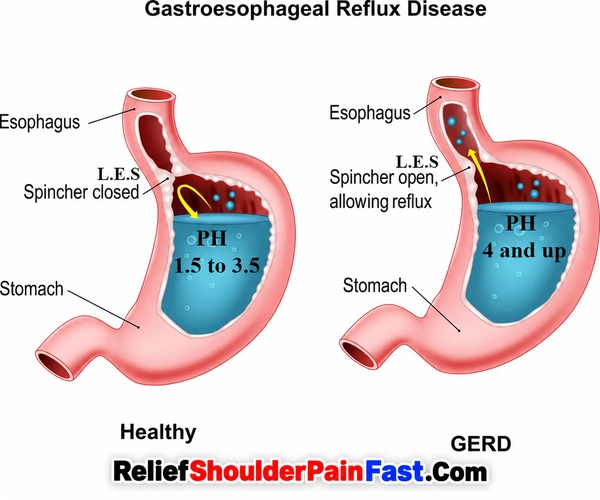
Now if you look at the picture above you have one healthy stomach and the other one is a sick stomach with GERD. Do you see the difference? The healthy stomach has a ph between 1.5 to 3.5 that is pretty acidic and can turn any meals into soup! So as you can see the L.E.S. stay close because the PH is pretty acidic. In the example of the stomach with GERD the PH is not strong enough to make the L.E.S. close.
Can You Drink Water With Meals?
Yes. Drinking water during or after a meal does not interfere with normal digestion. There is no general need to avoid water for 30 minutes before or after eating to protect stomach acidity. Follow any fluid restrictions your own clinician has given you.
How low stomach acid can make you sick.
Stomach acid outpout commonly declines as we age,due to a loss of the cells that produce the acid in the stomach. This condition is called Atrophic gastritis.With low stomach acid you will not be able to digest correctly your food. A poor digestion is the beginning of digestive problems like:
- Leaky Gut
- Allergic reactions
- Poor absorbtion
- Celiac Disease
- B12 Deficiency
- *IBS
- *SIBO
- Iron Defiency
*IBS: Irritable Bowel Syndrome
*SIBO: Small Intestine Bacterial Overgrowth
“The upper gastrointestinal (GI) system refers to the stomach and pancreas. This is one of the primary areas of dysfunction in the body. It has the highest priority in the foundations of health. You cannot expect to resolve problems further down the digestive system without addressing stomach acidity.”
How to Test for Low Stomach Acid: The Baking Soda Test
You mix 1/4 teaspoon of baking soda into 4 to 6 ounces of water. You drink it first thing in the morning on an empty stomach and time how long it takes you to burp.
The results
- 2 to 3 minutes: Indicates healthy or normal stomach acid levels (baking soda reacts with hydrochloric acid to create carbon dioxide gas).
- After 3 to 5 minutes (or no burp): Claimed to suggest low stomach acid (hypochlorhydria).
- Immediate or frequent burping: high acid or excess
Source: GERD: The Importance of Stomach Acid (Part 1 of 2) — Dr. John Gannage, Markham Integrative Medicine.
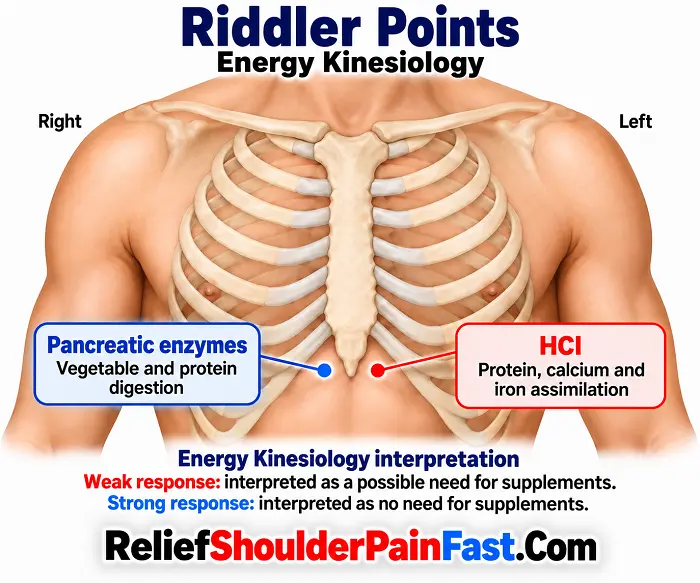
How to Test for Low Stomach Acid: Using Energy Kinesiology
As an Amazon Associate, I earn from qualifying purchases.
Habits That May Help With Acid Reflux
- If reflux bothers you at night or when lying down, eat at least three hours before bedtime.
- Notice which foods or drinks worsen your own symptoms and discuss those patterns with your clinician.
- If you smoke, ask for support to quit.
- Discuss weight management if excess weight may be contributing to reflux.
- For persistent symptoms, seek medical advice rather than assuming that you need more stomach acid.
How Can Energy Kinesiology Fit Into Your Wellness Routine?
In my practice, I use gentle muscle testing as part of an Energy Kinesiology session. This tradition describes wellness in terms of balance and the body's energy. A session may include tests that practitioners associate with the stomach, liver, small intestine, and colon.
These associations are part of the approach used in my practice; a change in muscle resistance does not show that an organ is diseased or measure its function. Energy Kinesiology is a complementary wellness approach, and its effectiveness for treating GERD or other digestive diseases has not been established.
My Personal Experience With Digestive Problems
I am not a medical doctor, but I have experienced digestive problems myself. Several years ago, eating caused discomfort and felt like a large knot in my stomach. Even drinking water was uncomfortable. I felt better when I avoided eating or drinking, but I lost a great deal of weight: from about 140 pounds to 110 pounds in only three months.
I was frightened and looking for help. At that time, I felt that the healthcare I had received had not resolved my concerns. I visited a friend in Florida who was a chiropractor and used Applied Kinesiology as part of his practice.
I spent three days with him. After muscle testing, he expressed concern about my liver and arranged an ultrasound. I was subsequently diagnosed with what was then called nonalcoholic fatty liver disease.The medical evaluation, rather than the muscle test, established the diagnosis.
After returning to Los Angeles, I continued my certification in Biochemical Kinesiology. Over approximately six months, I felt better while making dietary changes and taking supplements. This is my personal experience; it does not establish which part of that approach caused my improvement or whether it would help someone else.
That experience encouraged me to read more about digestion. If you are searching for answers too, use reliable sources and work with a qualified healthcare professional. Unexplained weight loss and difficulty eating or drinking deserve prompt medical attention.
A Book I Read About Stomach Acid
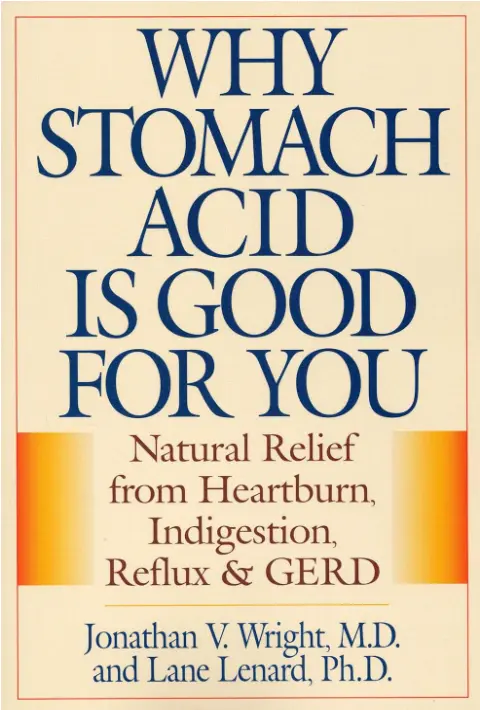
One book I read was Why Stomach Acid Is Good for You by Jonathan V. Wright, M.D., and Lane Lenard, Ph.D. It offers the authors' perspective on stomach acid and digestive health. A book's claims should be assessed against current clinical evidence and should not replace individual medical advice.
As an Amazon Associate, I earn from qualifying purchases.
View the Book on AmazonWhen to Seek Medical Advice
Contact a healthcare professional for persistent reflux, difficulty or pain with swallowing, repeated vomiting, unexplained weight loss, or difficulty eating or drinking.
Seek urgent medical care for vomiting blood or black, tarry stools. For new or severe chest pain—especially with shortness of breath, sweating, or pain spreading to your arm or jaw—call emergency services. Do not assume it is heartburn.
Sources and Further Reading
- NIDDK: Symptoms and causes of GERD
- NIDDK: Treatment for GERD
- NIDDK: Eating, diet, and nutrition for GERD
- NIDDK: Gastritis and gastropathy
- Mayo Clinic: Water with meals and digestion
- ASCIA: Evidence-based versus non-evidence-based testing
Thanks for reading,
Michel Bourgeois
Licensed Massage Therapist
Certified in Energy Kinesiology and Biochemical Kinesiology
This article shares general educational information and personal experience. It does not provide a diagnosis or an individualized treatment plan.