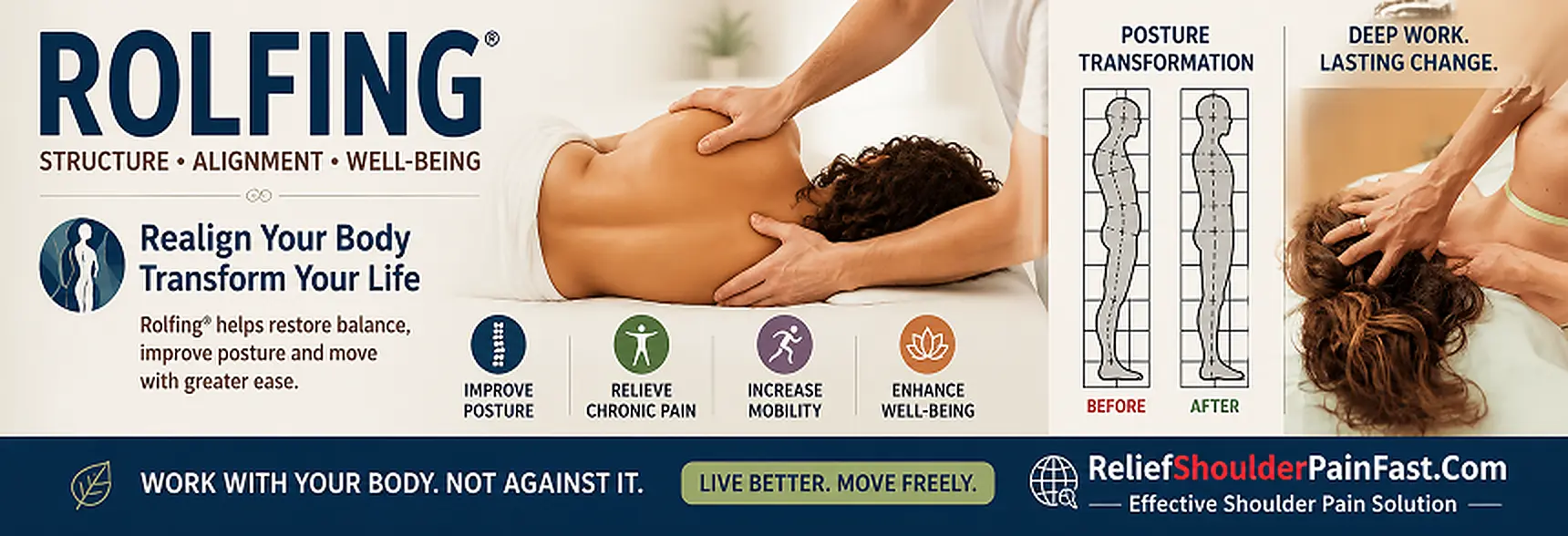
If you experience postural strain or persistent muscular discomfort, you may have heard of Rolfing. But what is it, and what should you realistically expect from it?
What Is Rolfing?
Rolfing® Structural Integration is a hands-on bodywork system developed by American biochemist Dr. Ida P. Rolf. It combines manual work with movement awareness and pays particular attention to fascia—the connective-tissue network that surrounds, supports, and links structures throughout the body.
Dr. Rolf began developing her approach during the first half of the twentieth century. The Dr. Ida Rolf Institute, established in 1971, later standardized professional training. The method looks at the body as an interconnected whole and explores how a person organizes posture and movement in relation to gravity.
How Is It Different from Deep-Tissue Massage?
Rolfing may sometimes feel deep or intense, but the intention is different from simply applying stronger massage pressure. A Rolfer observes whole-body posture and movement, then uses slow, specific contact and movement education to address patterns across several body regions. Cream or lotion may be used sparingly so the practitioner (Rolfer) can engage the tissue without sliding too quickly.
Deep-tissue massage is a broad term, and techniques vary between practitioners. It commonly focuses on muscular tension and local symptoms. Rolfing is organized around Structural Integration and generally follows a progressive whole-body framework.
The Traditional Rolfing Ten-Series
A hallmark of Rolfing is the Ten-Series: ten sessions with distinct, progressive goals for the entire body. The exact timing can vary. Some people schedule sessions closer together, while others allow more time between appointments. A qualified practitioner should adapt the process to the client's needs, response, health history, and comfort.
My Personal Experience
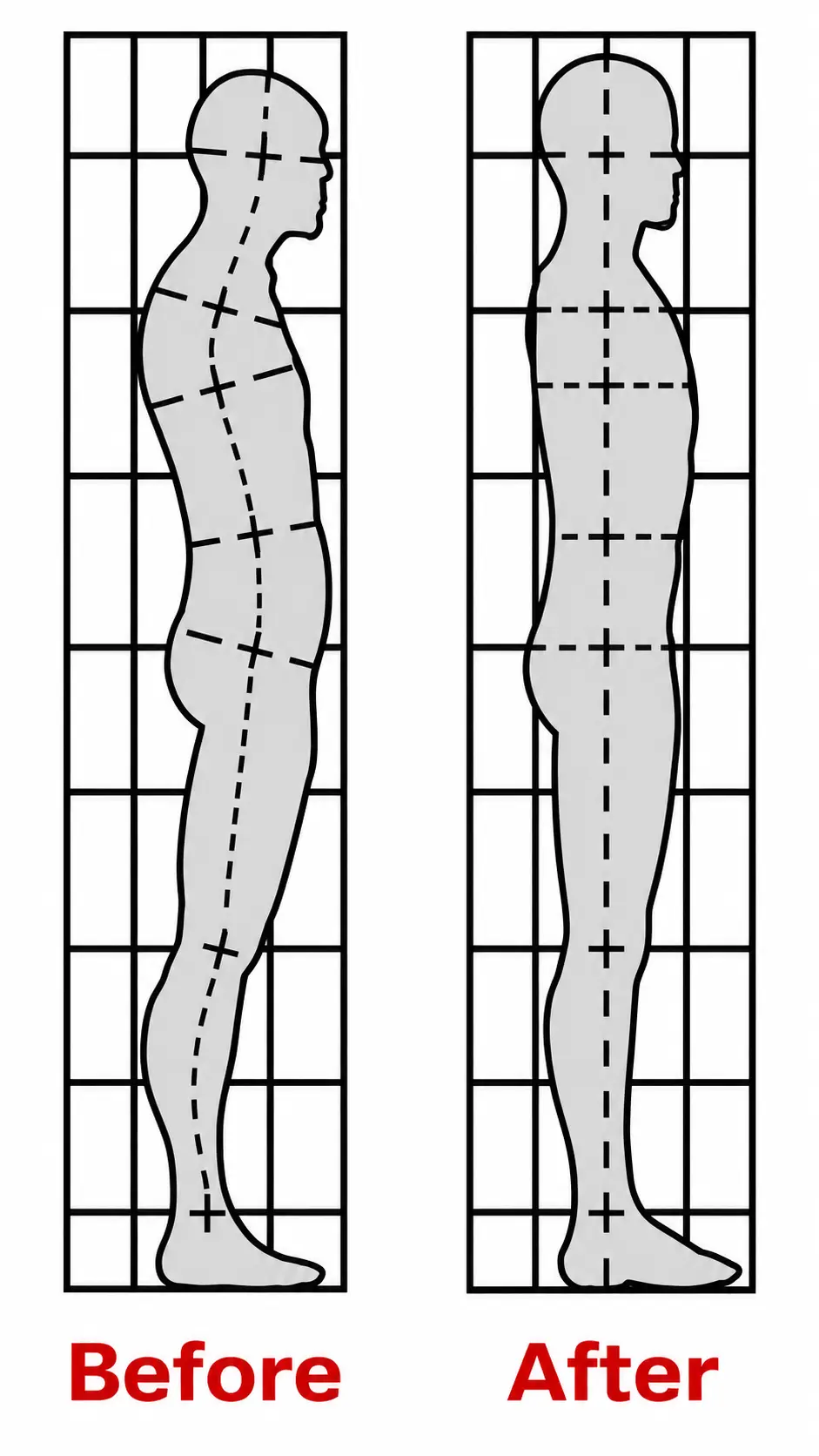
In my personal experience, Rolfing was one of the most memorable approaches I tried for posture. I had noticed that my shoulders rested farther forward than I wanted. After meeting a Rolfer during an introductory course at massage-therapy school, I later contacted him and decided to complete the ten sessions.
The work felt intense at times, but it did not feel invasive. During my first session, I noticed warmth, tingling, and a strong stretching sensation under the practitioner's hands and forearms. At the end, I felt lighter and more flexible. By about the fifth session, I felt more upright and thought I looked taller.
Those observations describe my own experience; they do not predict what another person will feel or how their posture will change.
What a Session May Look Like
A session may begin with a conversation about your goals and health history, followed by observation of standing posture, walking, breathing, or other movements. Treatment may take place while you lie on your back, stomach, or side, and the practitioner may ask you to make small movements while contact is applied.
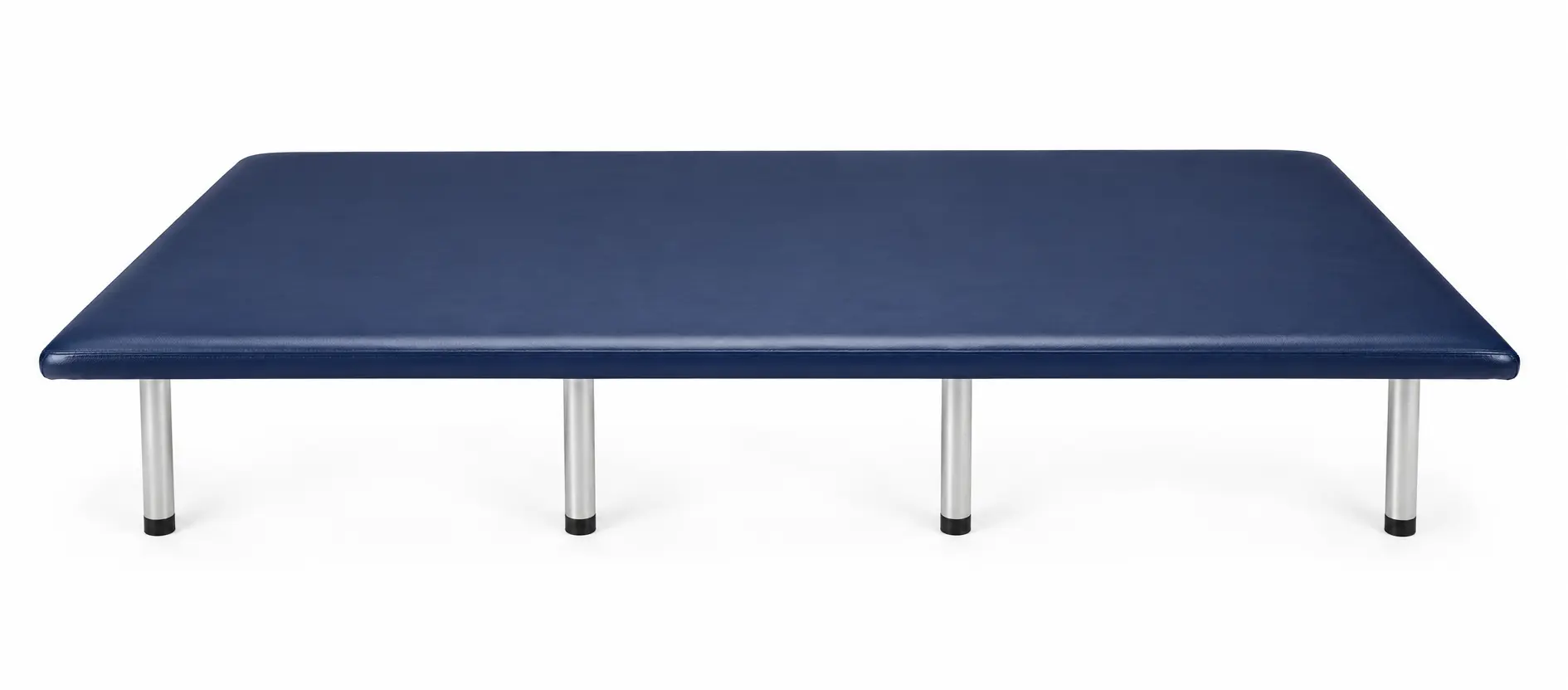
Some Rolfing tables are wider and lower than standard massage tables, helping the practitioner use safe body mechanics. Clothing, draping, boundaries, and consent should be discussed before treatment. You should always be able to request less pressure, change position, keep additional clothing on, or stop the session.
A Clearer Way to Think About Fascia
Fascia is connective tissue that surrounds and connects muscles, bones, nerves, blood vessels, and organs. It is not simply a semi-liquid barrier between muscles, and it should not be described as modeling clay that a practitioner permanently reshapes. Manual therapy may influence comfort, movement, body awareness, and the way force is distributed, but the biological mechanisms and long-term effects are still being studied.
Potential Benefits People Seek
People commonly explore Rolfing with goals such as:
- Feeling freer or more comfortable during movement
- Improving awareness of posture and movement habits
- Reducing a sense of muscular tension
- Supporting mobility and balance as part of a broader care plan
Small studies have reported promising changes in areas such as pain, mobility, and body awareness, but the evidence base is not yet strong enough to guarantee these outcomes. Persistent or unexplained pain deserves assessment by a qualified healthcare professional.
How Rolfing Influenced My Work
Since completing my Rolfing experience, I have studied connective-tissue massage and incorporated selected fascia-focused bodywork techniques into my trigger-point practice. Rolfing changed the way I observe the relationships among posture, movement, and muscular tension. For me, that broader perspective was the most valuable part of the process.
Finding a Qualified Rolfer
Look for a practitioner with recognized Structural Integration training, ask about their credentials and experience, and discuss your health history before booking. The Dr. Ida Rolf Institute practitioner directory is a useful starting point in the United States and internationally. In Canada, consult the Rolfing Association of Canada.
Important Safety Note
Rolfing is not appropriate for every condition. Before receiving intensive manual work, seek medical advice if you have a recent injury or surgery, a bleeding disorder, blood-clot risk, severe osteoporosis, an active skin condition, unexplained swelling, neurological symptoms, or persistent or worsening pain. Tell the practitioner about relevant diagnoses and medications, including blood thinners.
Sources and Further Reading
- Structural Integration: an overview of clinical practice and research
- Structural Integration as an adjunct to outpatient rehabilitation for chronic low-back pain
I hope you find this information helpful.
Thank you for reading,
Michel Bourgeois
Licensed Massage Therapist
This article is provided for educational purposes only and does not constitute medical advice, a diagnosis, or treatment.