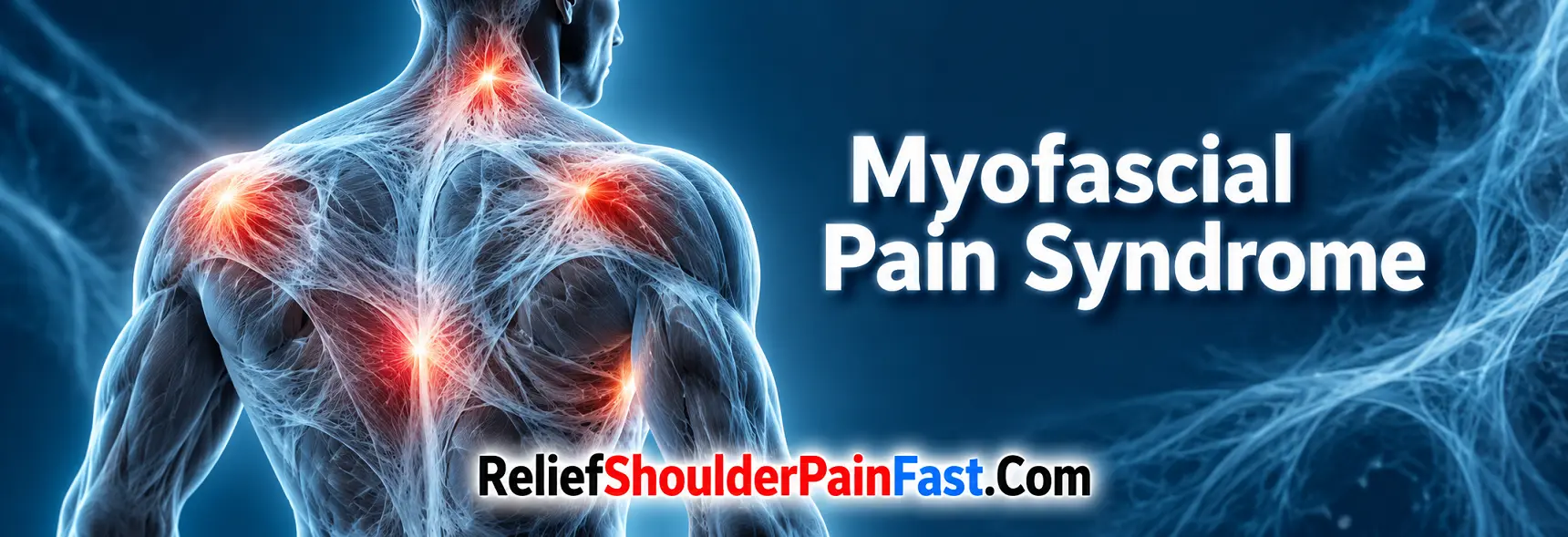
What is Fascia?
Fascia is a continuous network of connective tissue found throughout the body. It surrounds and connects muscles, bones, nerves, blood vessels and organs. Rich in collagen and sensory nerve endings, fascia helps support the body, transmit force and provide information involved in movement and body awareness.
Healthy fascial tissue can adapt to movement and allows neighboring structures to glide smoothly. Because fascia is richly innervated, irritation or increased sensitivity in the myofascial tissues may also contribute to pain.

A Simple Steak Analogy
The thin, tough, whitish sheets and bands visible around and between sections of meat include connective tissue. They help bind and organize the muscle into a recognizable structure.
This offers a useful visual comparison: fascia is not simply an outer covering. It forms an interconnected framework around and through muscle tissue. However, not every white area on a steak is fascia; some of it may be fat or other connective tissue.
The Relationship Between Fascia and Pain
When the body is exposed to an injury, a fall, repetitive activity, prolonged posture or reduced movement, the muscles and surrounding connective tissues may become less mobile and more sensitive. Instead of gliding comfortably, layers of tissue may feel stiff, tight or restricted.
This may contribute to limited movement, tenderness and persistent discomfort. Myofascial pain syndrome is generally associated with regional muscle pain and sensitive areas commonly called trigger points. Pressing a trigger point may cause pain at that spot or produce referred pain in another area.
Standard imaging such as an X-ray may not identify every source of soft-tissue pain. A normal test does not mean that a person’s symptoms are imaginary; it means that further assessment may be needed to determine the cause.
Symptoms That May Accompany Myofascial Restriction
- Localized or referred pain
- Stiffness or reduced mobility
- Tender or sensitive areas
- Occasional tingling or altered sensation
- Burning or shooting discomfort
Some Important Roles of Fascia
- Supports and organizes body structures
- Helps transmit muscular force
- Allows tissue layers to glide during movement
- Contributes to body awareness and coordination
- Participates in tissue repair and force distribution
Can Fascial Restriction Feel Like Neuropathy?
Tingling, numbness and burning are often described as “neuropathy-like” symptoms. However, these sensations are not specific to one condition. They can have many causes, including irritation or compression of a nerve, circulation problems, spinal conditions, vitamin deficiencies, diabetes and peripheral neuropathy.
A note from my clinical experience
In my massage practice, I have worked with clients who reported tingling in an area of marked muscular and fascial tightness—commonly around the calves. In some cases, the tingling decreased or disappeared after the surrounding tissues were treated. This response may suggest that local soft-tissue tension was contributing to the symptom, but it does not by itself rule out neuropathy or establish a medical diagnosis.
Important medical note
Persistent, recurring or unexplained tingling, numbness, burning, weakness or loss of sensation should be evaluated by a qualified healthcare professional. Seek urgent medical care for sudden numbness—especially when it affects one side of the body or occurs with weakness, confusion, difficulty speaking, dizziness or a severe headache. Massage therapy should complement appropriate medical assessment, not replace it.
Educational information only: This article is not intended to diagnose neuropathy, myofascial pain syndrome or any other medical condition.
I hope you find this information useful.
Thank you for reading,
Michel Bourgeois
Licensed Massage Therapist